Picnic Blanket Sourcing Business Continuity Planning for Canada
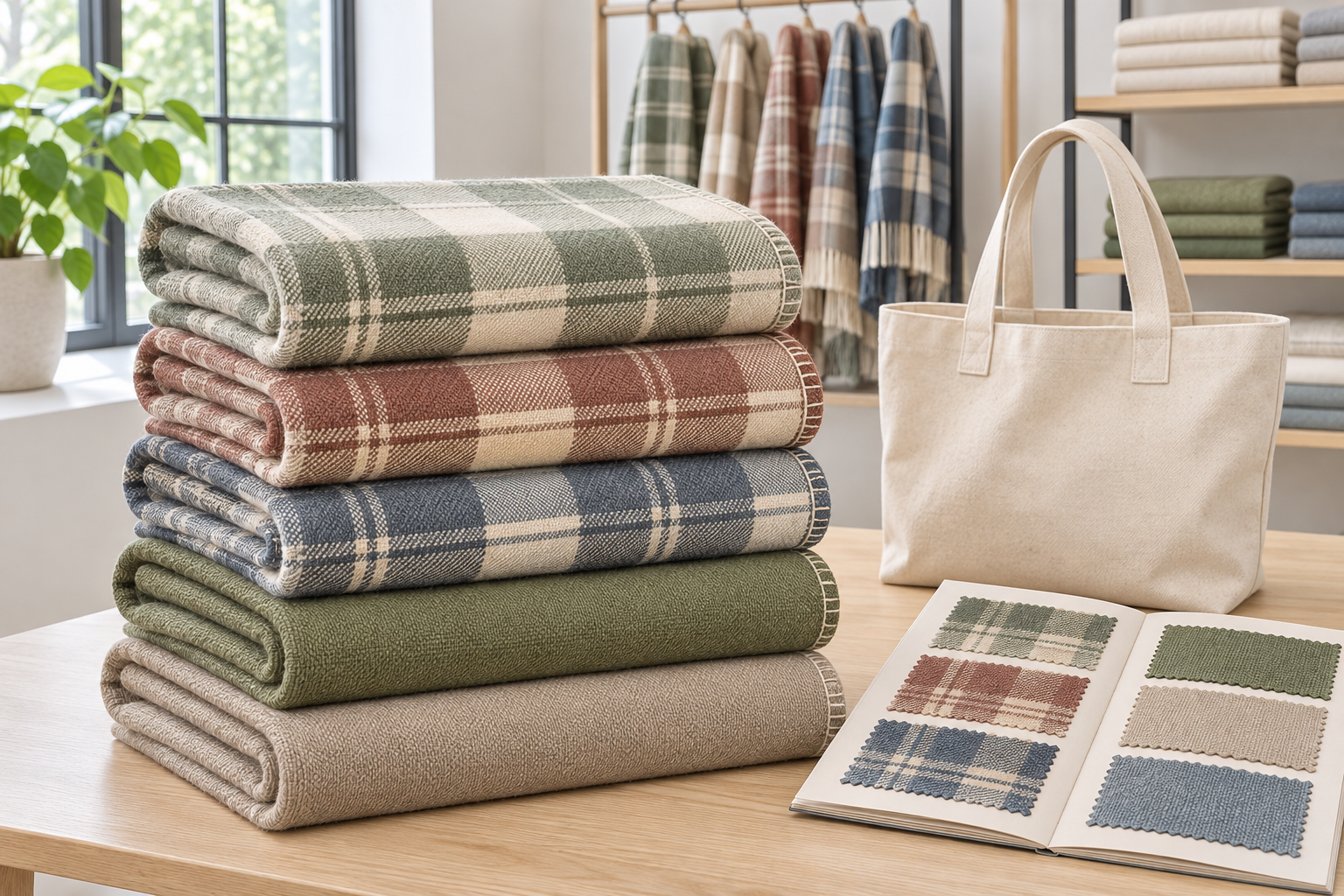
Picnic blanket sourcing business continuity planning helps buyers in Canada keep orders moving when a supplier, material, or delivery arrangement changes. Instead of reacting after a disruption, the buyer defines what must stay available, who decides a change, and what information must be shared before production or shipment moves ahead. This approach keeps the focus on the picnic blanket itself, the agreed specification, and the practical steps that protect repeat orders for retail, promotional, hospitality, and outdoor use.
For Canadian buyers, continuity planning is most useful when it is written down before the first order is placed. The plan should name the product, the buyer contact, the supplier contact, the agreed specification, and the decision process for a change in material, colour, size, packaging, or delivery arrangement. When those fields are agreed in advance, a buyer can compare options, ask consistent questions, and keep a record that supports the next order without relying on memory or informal messages.
Business Continuity Planning for Picnic Blanket Sourcing in Canada
Business continuity planning for picnic blanket sourcing begins with a clear description of the product and the purpose of the order. The buyer should record the intended use, the expected handling, the fabric and backing, the finished size, the fold and closure, the carry handle or strap, the edge finish, the colour and pattern, and the packaging. Each field should be written in plain language that both the buyer and the supplier can check against a sample. When a field is left vague, a later change can be difficult to trace, and a replacement product can differ from the original in a way that matters to the end user.
A useful plan also separates the product decision from the supply decision. The product decision covers what the picnic blanket should be and how it should be checked on arrival. The supply decision covers how the order will be produced, packed, and shipped, and what happens if the first choice is no longer available. Keeping these decisions separate helps the buyer ask whether a proposed change affects the product, the supply route, or both, and whether the change needs buyer approval before work continues.
The buyer should also agree how information will be shared during the order. That includes the point of contact on each side, the language for written confirmation, the documents that will accompany the order, and the way a change will be recorded. A short written record for each decision is more useful than a long verbal discussion, because it creates a reference for the next order and for any later review of what was agreed. The plan should state that no material, colour, size, packaging, or delivery change moves ahead without written buyer confirmation.
Useful planning fields to agree include:
- The agreed product description, including fabric, backing, size, fold, closure, handle, edge finish, colour, pattern, and packaging
- The sample that represents the agreed product and the way it will be stored for comparison
- The acceptance checks the buyer will use on arrival, including visual inspection, count, packaging, labelling, and product completeness
- The contact person on the buyer side and on the supplier side for ordering, production, and delivery questions
- The written process for proposing, reviewing, and approving a change before it is applied
- The documents the supplier will provide with the order and the way missing or unclear information will be handled
How to Compare Picnic Blanket Suppliers for Continuity
Comparing suppliers for continuity is different from comparing a single sample. The buyer is looking for a supplier who can explain the production process, identify the inputs that matter, and describe what would happen if an input or a production step changed. The comparison should focus on clarity, consistency, and the ability to keep the agreed product stable across repeat orders. A supplier who can answer in writing is easier to compare than a supplier who can only answer in general terms.
The buyer should ask each supplier the same questions and record the answers in the same format. That makes it possible to see where answers differ and where further clarification is needed. Differences in wording can hide differences in product or process, so the buyer should ask for plain descriptions and for confirmation that the description applies to the exact product offered. The buyer should also ask how the supplier handles a change in material supply, production scheduling, or transport, and what notice the buyer will receive before a change affects an order.
Follow this process when comparing suppliers:
- Define the agreed picnic blanket description and the acceptance checks before contacting suppliers.
- Ask each supplier to confirm the description in writing and to identify any field that cannot be met as written.
- Ask each supplier to describe the production steps, the materials used, and the checks applied before packing.
- Ask each supplier to describe how a change in material, production, or delivery would be communicated and approved.
- Ask each supplier to describe the packaging, labelling, and shipment documents that will be included with the order.
- Compare the written answers side by side, note any gaps or unclear points, and ask for clarification before selecting a supplier.
A supplier comparison should also consider the ability to support repeat orders. The buyer should ask whether the same material, colour, pattern, and construction can be repeated, how a repeat order will be matched to the earlier sample, and what will happen if the earlier material is no longer available. The buyer should ask how the supplier will record the agreed specification so that a later order can be checked against the same record. This helps the buyer avoid a situation where a repeat order looks similar but differs in handling, durability, or ease of use.
Building a Resilient Sourcing Plan Without Overcommitting
A resilient sourcing plan does not require the buyer to order more than needed or to accept a product that does not meet the agreed description. It requires the buyer to define the minimum information needed to make a decision and to keep that information current. The plan should list the product, the supplier, the agreed specification, the acceptance checks, the contacts, and the change process in one place. When the plan is current, the buyer can act quickly without starting the comparison again for every order.
The buyer should also agree what happens when a problem is found on arrival. That includes who should be contacted, what information and images should be shared, how the affected items will be separated from unaffected items, and what written record will be kept. The plan should also state how a replacement or correction will be agreed and how the corrected order will be checked. Agreeing this process in advance reduces delay and keeps the discussion focused on the agreed specification rather than on informal expectations.
A practical plan also covers the order record. The buyer should keep the enquiry, the supplier confirmation, the sample reference, the agreed specification, the order details, the shipment documents, and the arrival checks together. When a later order is placed, the buyer can refer to the same record and ask the supplier to confirm that the same description still applies. If a field has changed, the buyer can ask for the reason, the effect on the product, and the revised description in writing before approving the change.
Planning points to keep in the order file include:
- A single agreed product description that is used for the enquiry, the sample, the order, and the arrival check
- A named sample reference and a note on how the sample will be used to judge repeat orders
- A list of acceptance checks that will be applied on arrival and the action to take if a check is not met
- A written change process that requires buyer approval before a material, colour, size, packaging, or delivery change is applied
- A contact list for ordering, production, delivery, and problem resolution, with a backup contact where possible
Buyer Decision Table for Picnic Blanket Sourcing Continuity in Canada
Use this table to turn continuity planning into a decision before ordering. Each row asks the buyer to confirm one area and to agree the action with the supplier in writing.
| Decision Area | Buyer Check | What to Agree Before Ordering |
|---|---|---|
| Product description | Confirm that the fabric, backing, size, fold, closure, handle, edge finish, colour, pattern, and packaging are written in plain language | The exact description that will be used for the sample, the order, and the arrival check |
| Sample reference | Confirm that a sample represents the agreed product and can be kept for comparison | How the sample will be stored, how repeat orders will be matched to it, and what happens if the sample description changes |
| Material continuity | Ask how the supplier will handle a change in material supply and what notice the buyer will receive | The written process for proposing a material change and the buyer approval needed before the change is applied |
| Production continuity | Ask how production will be organised and what checks will be applied before packing | The production steps, the checks before packing, and the record that will be kept for the order |
| Packaging and labelling | Confirm the packaging, labelling, and contents for each carton and for the full shipment | The agreed packaging, the labelling fields, and the way the shipment contents will be listed |
| Delivery arrangement | Ask how the order will be shipped and what documents will accompany the shipment | The agreed delivery arrangement, the shipment documents, and the contact for delivery questions |
| Arrival acceptance | Confirm the checks that will be applied on arrival and the action if a check is not met | The acceptance checks, the way affected items will be separated, and the written process for a correction |
| Change control | Confirm that no change moves ahead without written buyer approval | The person who can approve a change, the information needed for approval, and the way the approval will be recorded |
RFQ Checklist
- Ask the supplier to confirm the full picnic blanket description in writing, including fabric, backing, size, fold, closure, handle, edge finish, colour, pattern, and packaging.
- Require the manufacturer to identify the sample that represents the agreed product and to explain how repeat orders will be matched to that sample.
- Specify the acceptance checks the buyer will apply on arrival, including visual inspection, count, packaging, labelling, and product completeness.
- Ask the supplier to describe the production steps and the checks applied before packing, and to confirm the record that will be kept for the order.
- Require the manufacturer to provide the shipment documents that will accompany the order and to list the packaging and labelling for each carton.
- Ask the supplier to explain how a change in material, production, packaging, or delivery will be communicated and to confirm that buyer approval in writing is required before the change is applied.
- Specify the buyer contact and the supplier contact for ordering, production, delivery, and problem resolution, and ask for a backup contact where possible.
- Require the manufacturer to state the agreed commercial terms, the delivery arrangement, and the process for handling items that do not meet the acceptance checks.
Keeping the Plan Usable After the First Order
A continuity plan is most useful when it is reviewed after the first order and updated with what was learned. The buyer should note whether the agreed description was clear, whether the sample matched the delivered product, whether the acceptance checks were practical, and whether communication was timely and complete. Any gap should be written into the plan so that the next enquiry starts from a clearer description rather than repeating the same questions.
The buyer should also keep the supplier comparison current. If a supplier answer was unclear, the buyer should ask for a clearer written answer before the next order. If a change was proposed, the buyer should record what was proposed, why it was proposed, whether it was approved, and what the revised description became. Over time, this record becomes a practical sourcing file for picnic blanket orders in Canada, built from agreed descriptions, written confirmations, and arrival checks rather than from assumptions about the next order.
Discuss Your Requirements
Review our manufacturing capabilities, then share your specifications for a supplier-fit review.